The Novitiates of the Veneto-Milanese Province
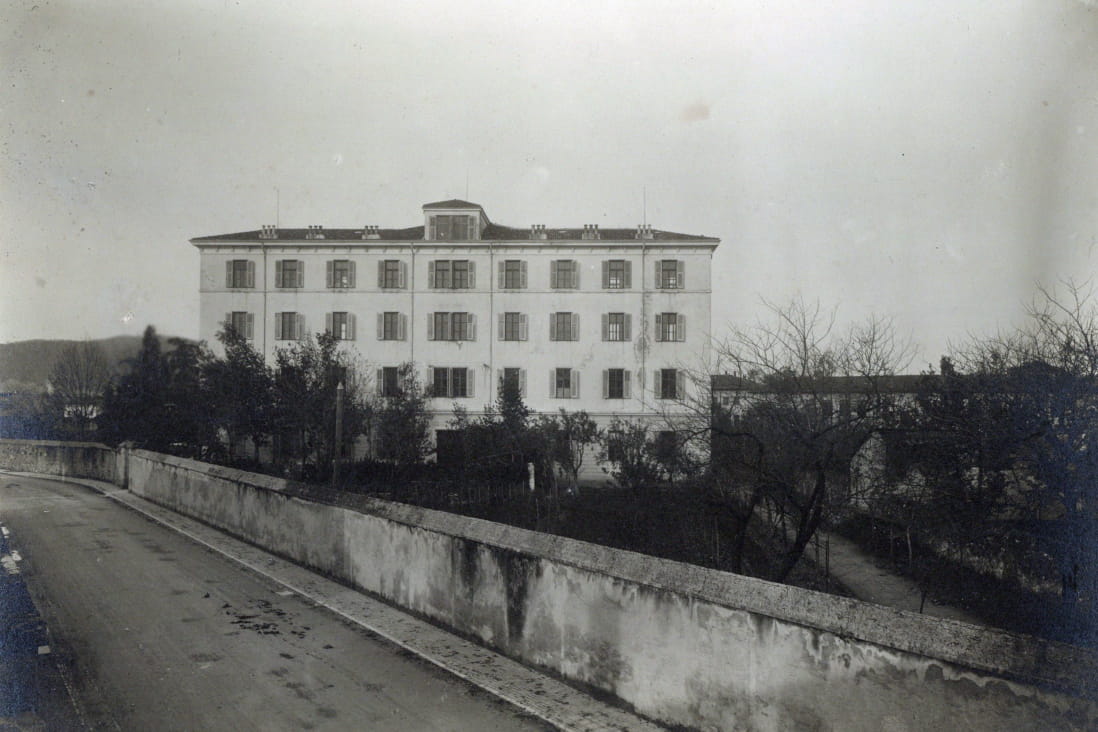
In today’s episode, we discover the various locations to which the Veneto–Milanese Province has moved its novitiate since the reconstitution of the Society of Jesus. We will find out in this episode that, among the historic Italian provinces, the Veneto–Milanese Province is the one that has relocated its novitiate more frequently than any other has more than a dozen changes of location.
As we saw in the previous episode, a province decides to move its novitiate for various reasons. Often the move is linked to the events of the process of national unification, which, in various stages, led to the exile of the Jesuits from various cities and the loss of properties. Other reasons, however, relate to proximity to the front lines during the First World War, or to areas affected by bombing.
From the Reconstitution to the Unification of Italy
When the Society was reconstituted in 1814, the provinces reopened their novitiates over the following years. The novitiate of the Veneto–Milanese Province, for example, was established in Verona in 1837. Aspiring novices continued to enter the novitiate in Verona for the next 22 years, although in 1848, due to the revolutionary uprisings, it was moved to what the catalogues describes as “Hospitium vel domuncula probationis in agro Veronensi”, a small country house, perhaps a farmhouse.
The historical and political events leading up to Italian unification prompted the Jesuits to relocate the novitiate away from Verona as early as June 1859, moving it to Feldkirch in Austria.
Following the unification of Italy, the Veneto-Milanese Province inevitably lost all its properties.
From Italian unification to the end of the century
In 1861, the novices moved to Gorheim in Germany, where the novitiate of the province of the same name was based, and returned to Verona in 1862. The novices therefore did not ‘witness’ the birth of the Italian state. One of the novitiate diaries contains an account of these very events, written by the novices of the time, the Monti and Mutti brothers.
The novitiate remained in Verona for only a few years. The last novices to undergo their first probation there entered in 1865; the following year, the novitiate moved to a new location.
The fact that it remained in operation for a few more years after 1861 is not surprising. The authorities of the newly formed State had to organise the body of laws and manage the administration of the new unified territory; consequently, it took a few years before they began to confiscate the property.
The same thing would happen in Rome a few years later: the novitiate of S. Andrea al Quirinale remained in the hands of the Jesuits for about a year after the fall of the Papal States, a period needed to transfer the community, the furniture and the objects.
From 1867 onwards, novices from the Veneto–Milanese province were once again sent abroad: initially to Eppan (now Appiano) on the Wine Route, not far from Bolzano, where they remained until 1872; then for about a year to Termeno, just a few kilometres away; and finally to Château Les Alleaux in France.
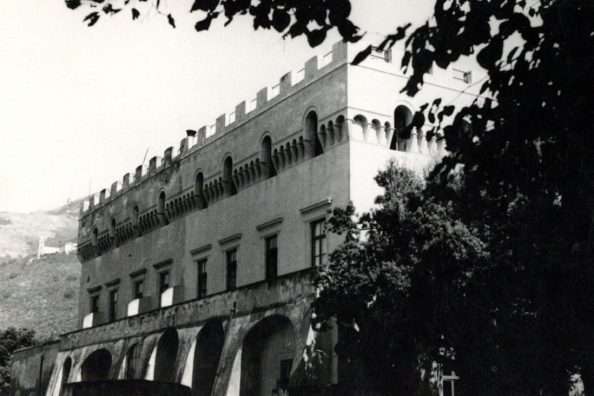
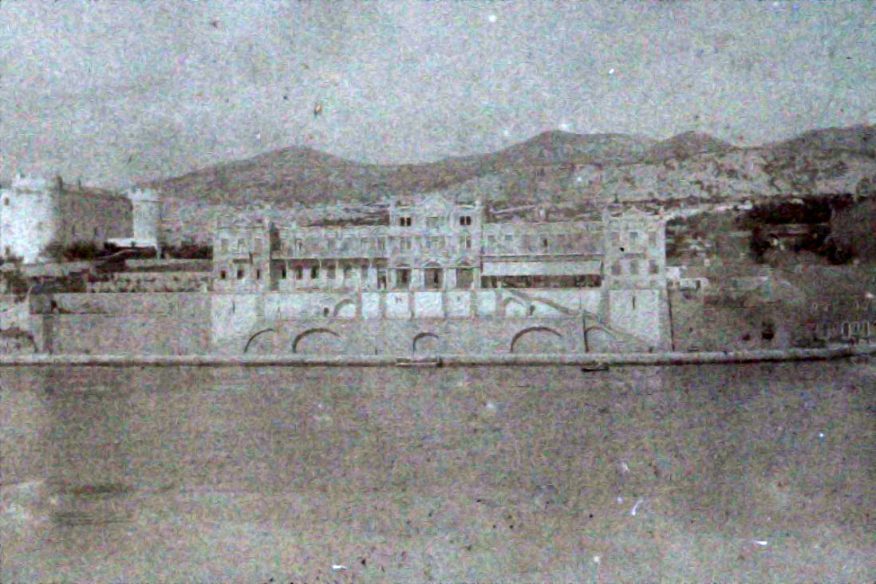
The province managed to reopen its novitiate in Soresina in 1883, but as early as 1884, it identified a new location across the Adriatic, ‘Portorè’, now Kraljevica in present-day Croatia. The Jesuits, in fact, reopened the novitiate within the Frangipane Castle. The province’s novices were welcomed here until 1896, as the following year the house of first probation returned to Lombardy, once again to Soresina.
The first half of the 20th century
Even during the 20th century, the Veneto–Milanese Province changed the location of its novitiate several times. The century began with the novitiate in Soresina, where it remained until 1910, when a new property was identified in Cividale del Friuli.
Having lost the houses, they had owned until 1861, the historic Italian provinces were able to rely in the following decades on benefactors who bequeathed properties in various cities to the Jesuits.
Even in Cividale del Friuli, the novitiate was not destined to remain there for long. With the outbreak of the First World War and Italy’s entry into the war in 1915, the community found itself very close to the front. Cividale is less than thirty kilometres from Caporetto, the site of the Italian army’s dramatic defeat. From 1917 to 1918, the novitiate house is listed as ‘disbanded’ in the directories. The house diaries tell us that during that period the Province moved the novices to the Torinese novitiate, which was located in Gozzano at the time.
It was essential to protect the novices, who, as we recall, were able to enter the novitiate at the age of 15 at that time. From 1919, the novitiate was located in Gorizia, where it remained for several years; indeed, a new site was not identified until 1933.
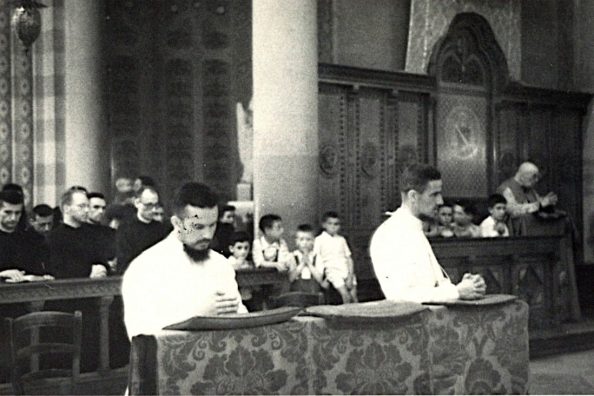
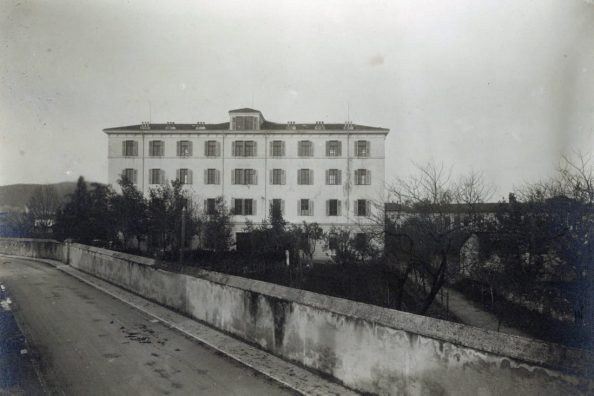
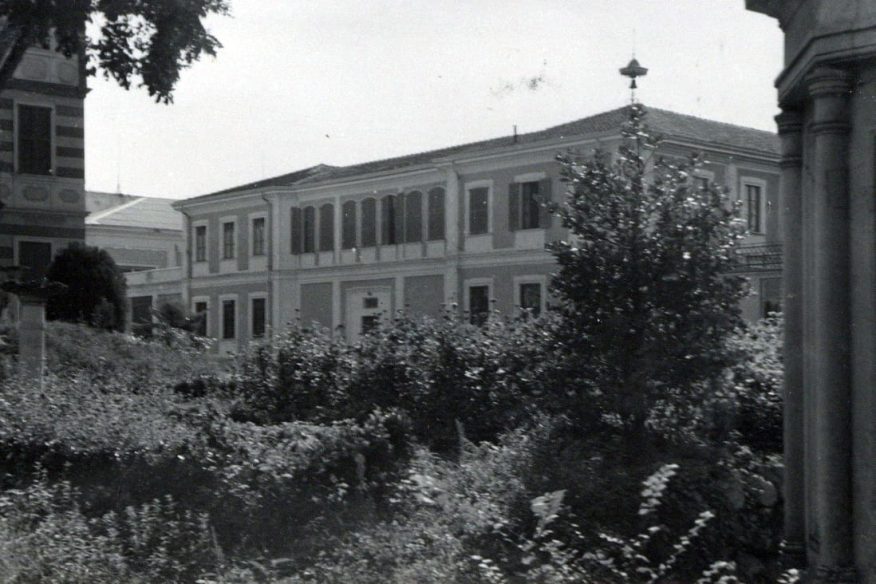
The Province transferred the novitiate to what would be its final premises: Villa S. Fermo, in Lonigo. It was here that the Jesuits of the Province entered from 1933 until 1966. Some of the older EUM Jesuits from Northern Italy entered the novitiate in Lonigo. From 1956, novices from the Roman Province were also sent here, having closed their own novitiate the previous year.
From 1967 to the establishment of the Province of Italy
The novitiate in Lonigo remained active until 1966, and the following year Villa S. Fermo was sold. From 1967, Jesuits from the Veneto-Milanese Province were assigned to the Turin novitiate in Avigliana.
In those years the historic Italian provinces shared a novitiate in anticipation of the unification of the provinces and the establishment of the Province of Italy in 1978.
This process led to the establishment of a single novitiate for the Province of Italy, first in Ciampino from 1971, then in Frascati from 1977 to 1983, and finally in Genoa, where the novitiate of the EUM Province is now based.
The Veneto–Milanese Province was the Italian province that changed the location of its novitiate most frequently: both due to the events of the Risorgimento, which affected many areas of northern Italy and because of its proximity to the front during the First World War..
Maria Macchi