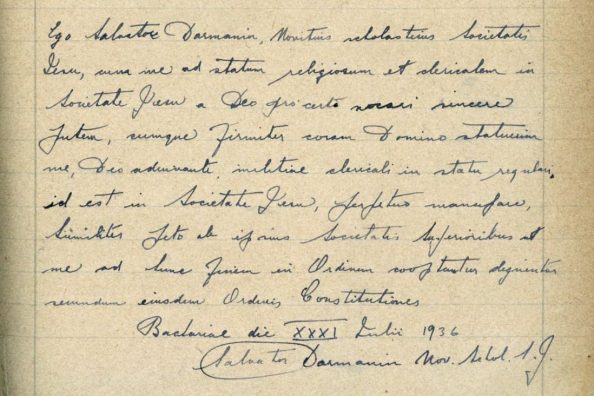
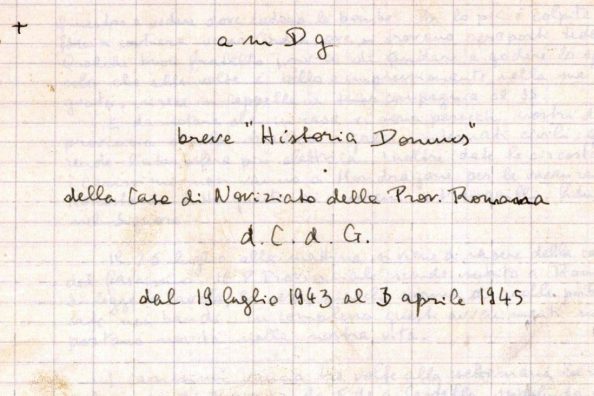
The novitiates of the Roman Province
The novitiates of the five historic Italian provinces have not remained in the same location since 1814. Due to the historical vicissitudes that have characterised the Italian territory, the novitiates have changed locations several times.
We have therefore decided to devote a series of episodes to this topic, discovering for each province where the novitiates were located from the reconstitution of the Society of Jesus until 1978, the year the Province of Italy was established. For our researchers, it may be useful to have a reference list, while for our readers it will be interesting to discover whether there was a Jesuit novitiate in their city, even if only for a few years. In addition to the archival documentation produced by each house of first probation, the primary source to consult for this research is the annual historical catalogue. Let us begin with the Roman Province.
The Nineteenth Century
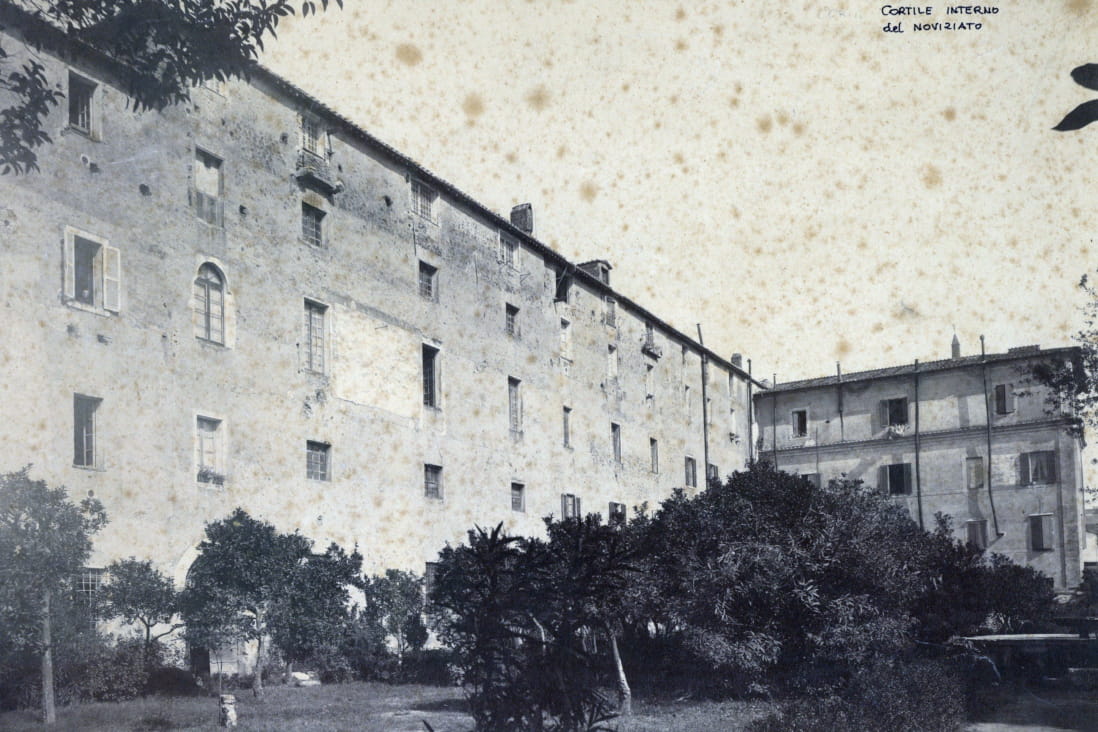
The novitiate of the Roman Province was located in S. Andrea al Quirinale, a very significant place for the Society. It was, in fact, the order’s first novitiate, and generations of Jesuits entered here from the sixteenth century until 1870, though not continuously. During the years of suppression, there were no novices at S. Andrea al Quirinale, but it was one of the first buildings to be reassigned to the Society after its reconstitution in 1814.
With the fall of the Papal States, the Jesuits had to leave San Andrea al Quirinale. From the house diary, we know that they had several months to remove objects and furniture and send the novices away to Eppan (now Appiano sulla Strada del Vino), not far from Bolzano, before leaving in December 1871.
The Roman Province was “dispersed” for several years. This was how the provinces were defined in the aftermath of 1861 due to the loss of residences and colleges and the consequent dispersion of Jesuits to houses in other provinces or to the residences of the faithful. The Roman Province experienced the period of dispersion nine years later than the other historic provinces, precisely because the Papal States survived until 20 September 1870.
Most of the candidates for the novitiate went to Villa Melecrinis in Naples, where the Neapolitan Province had reorganised its novitiate. This is why Lorenzo Rocci entered the novitiate in Naples in 1880 and not in Rome.
The Roman Province did not have its own novitiate again until 1882, when the house of first probation opened in Castel Gandolfo.
The first half of the 20th century
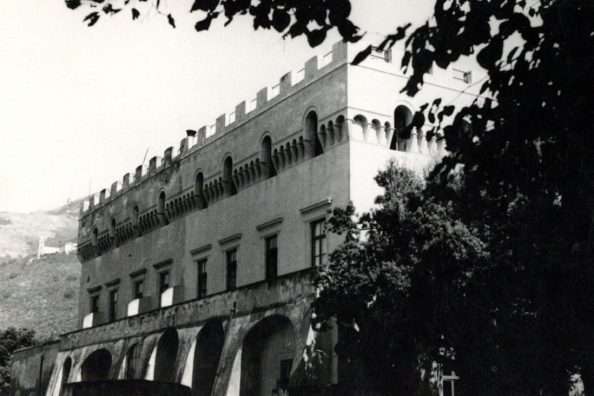
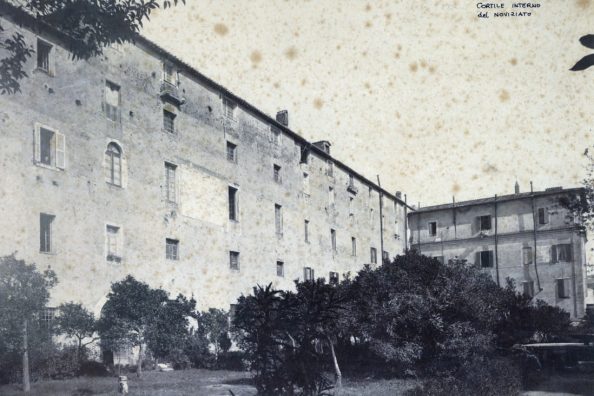
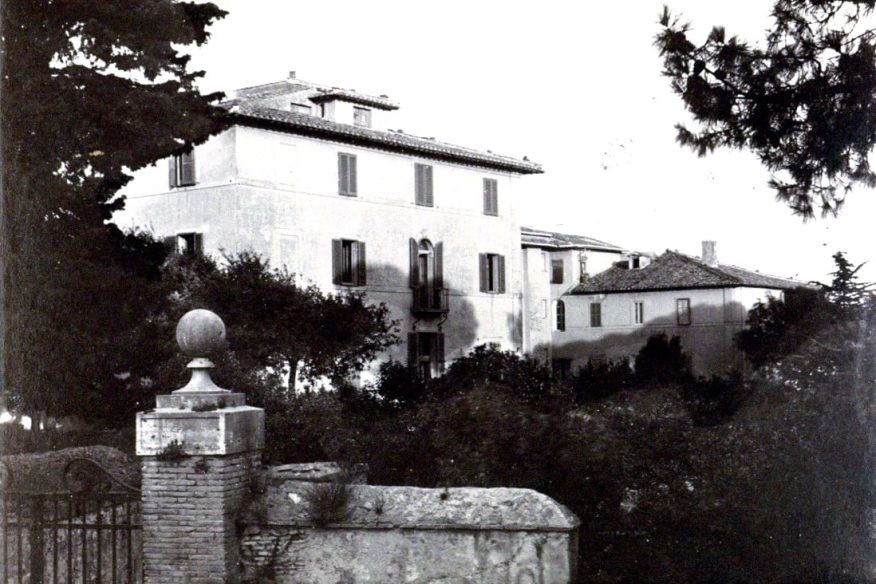
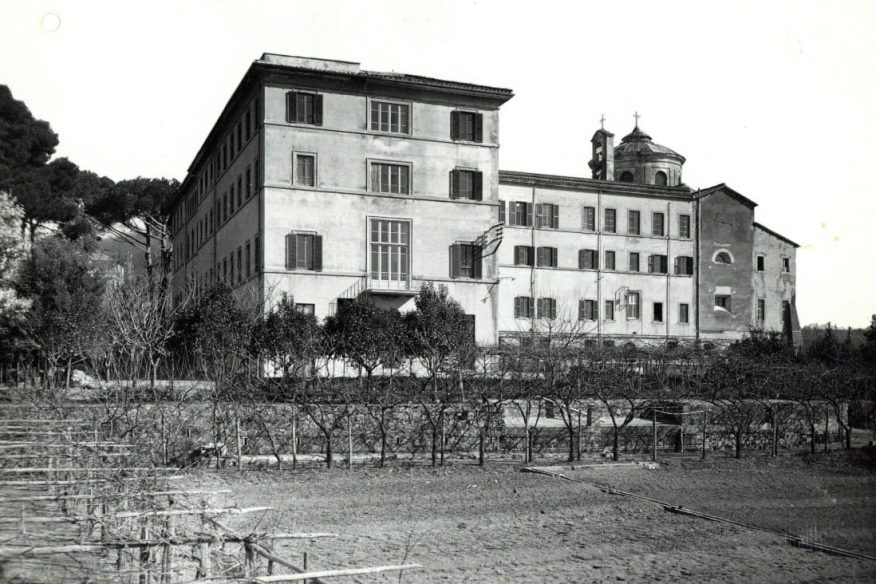
In the twentieth century, there were several locations for the novitiate of the Roman Province. After Castel Gandolfo, where the novitiate remained until 1906, the Province moved it to Frascati, Villa Carpegna and Villa Vecchia between 1906 and 1929. Meanwhile, construction began on the Province’s new novitiate in Galloro, near Ariccia.
In 1929, the novitiate community moved into the newly completed building. Ten years later, it had to be enlarged to accommodate a growing number of novices. The first probation house was active for a long time, but the community fled during the Second World War and found refuge in the residence of the Gesù in Rome. From the windows of the house in Ariccia, the novices saw the bombings, which they recounted in their magazine. The novitiate remained active until 1952, and then the structure become a house for spiritual exercises until 2016, when it was closed.
From the mid-twentieth century to the early 1970s
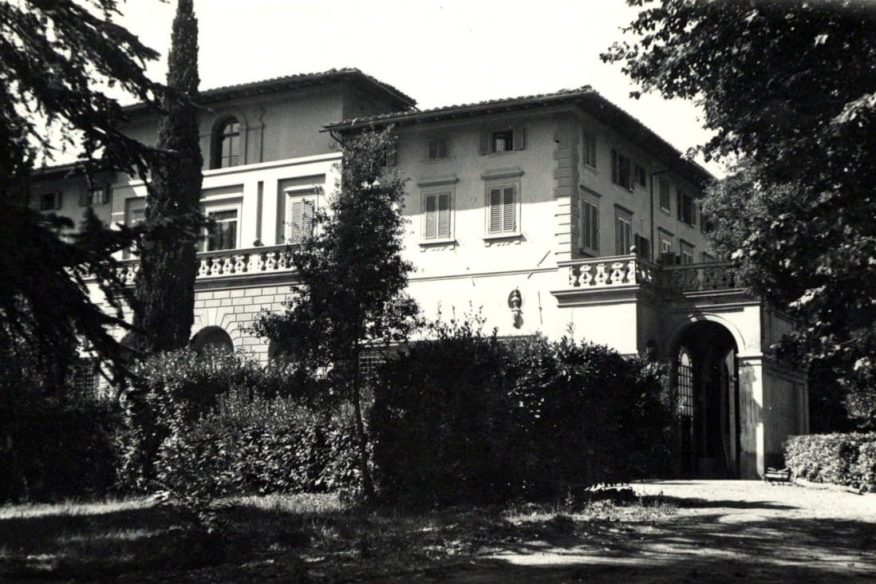
Moreover, what about the novices of the Roman Province from 1952 onwards? Starting in 1953, novices who wanted to reach the novitiate no longer took a train south of Rome towards Ariccia, but one that went north. In fact, the new location was in Florence, at Villa S. Ignazio, not far from Fiesole. The villa was surrounded by a large park that guaranteed tranquillity and silence for the novices. However, this was a short-lived solution, lasting only until 1955.
Starting in the 1960s, the historic Italian provinces began to consider the possibility of unifying their novitiates. The decline in enrolments and the cost of maintaining buildings as large as those of the novitiates led several provinces to take this step, partly in anticipation of a possible unification of the provinces, which was beginning to be discussed but would not materialise until 1978.
The Roman Province therefore closed its novitiate in Florence and sent the novices to Lonigo, to Villa S. Fermo, the house of first probation of the Veneto-Milanese Province from 1956 to 1967. Subsequently, the Veneto-Milanese Province also decided to close its novitiate, sold Villa S. Fermo and sent its novices to Avigliana to the novitiate of the Turin Province. Those from the Roman Province also lived their novitiate there. The novitiate in Avigliana was active until 1971.
The Province of Italy
We will not dedicate a specific episode to the Province of Italy, but rather a paragraph, which we are including in this first episode dedicated to this cycle.
The Province of Italy was established in 1978, but by the early 1970s, the unification of the novitiates was already a reality. The first “unified” headquarters was in Ciampino from 1971 to 1976, and then moved to Frascati from 1977 to 1983. However, these were temporary solutions. Finally, in 1984, the Province of Italy found a suitable location in Villa S. Ignazio in Genoa, formerly a retreat house with a long history and therefore well suited to accommodate novices given the presence of numerous rooms. Generations of Jesuits from all over Italy, but also from Albania, Croatia, Romania, Hungary and other countries, have lived their first probation at Villa S. Ignazio. Since 2017, with the birth of the Euro-Mediterranean Province, it has become the novitiate of the new province.
Maria Macchi